Overview
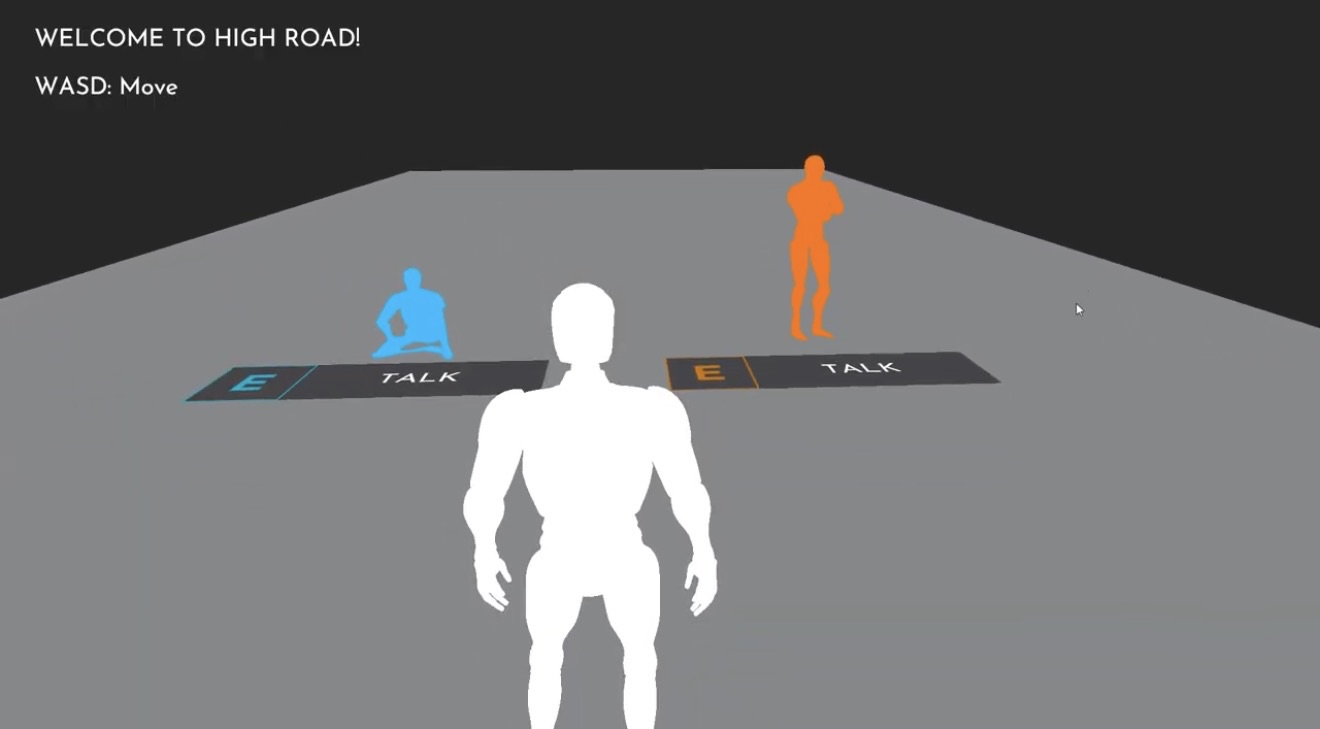
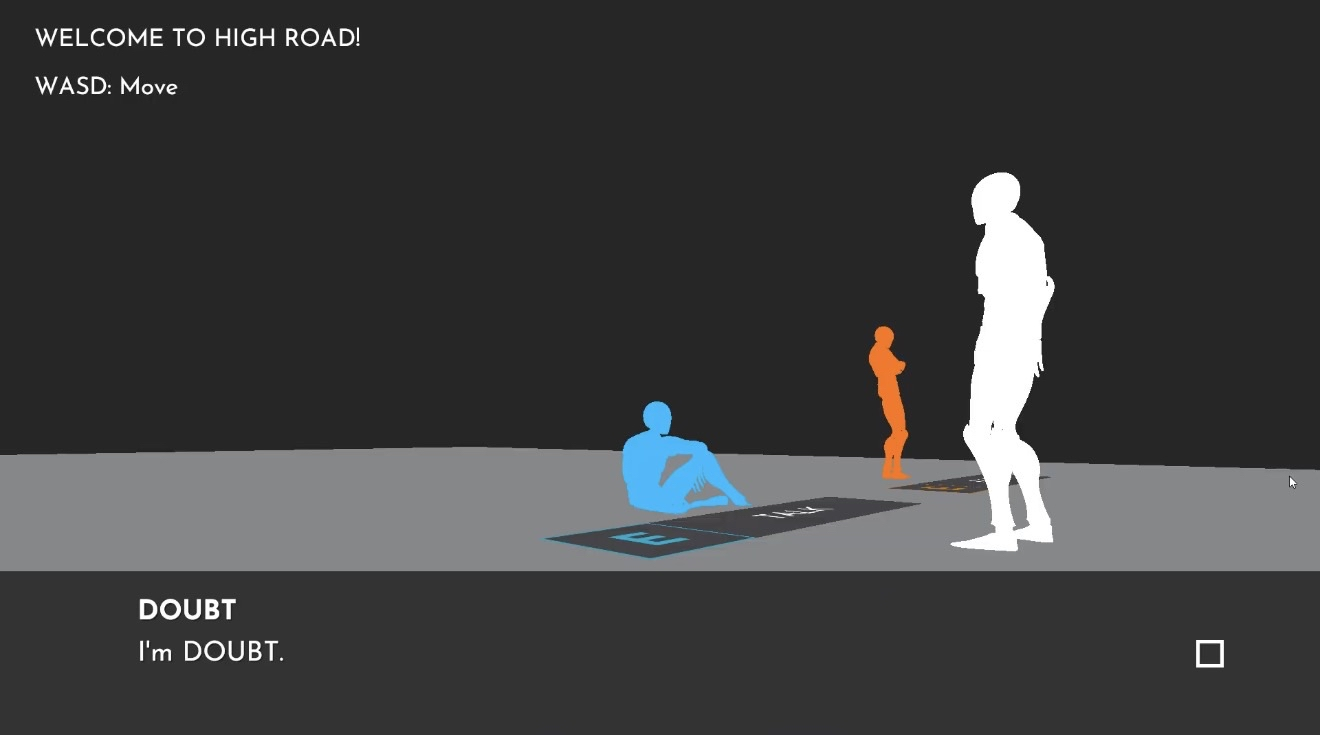
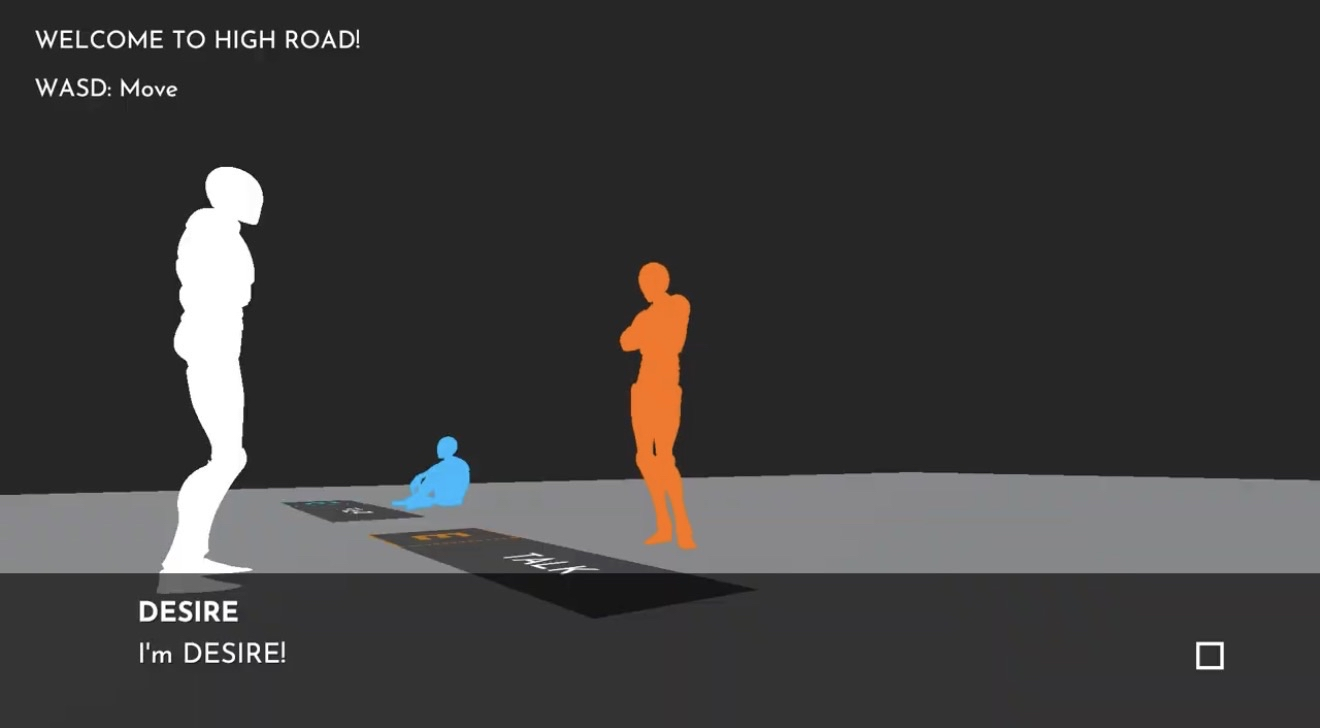
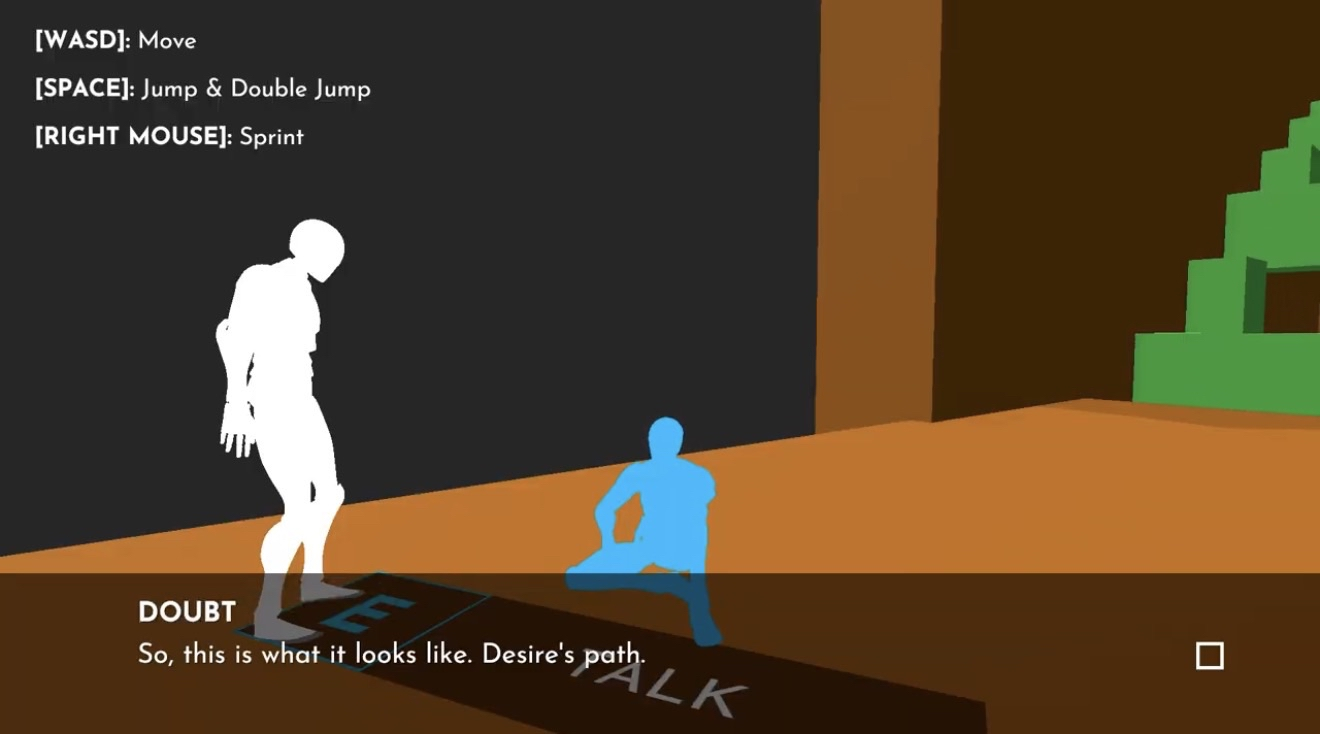
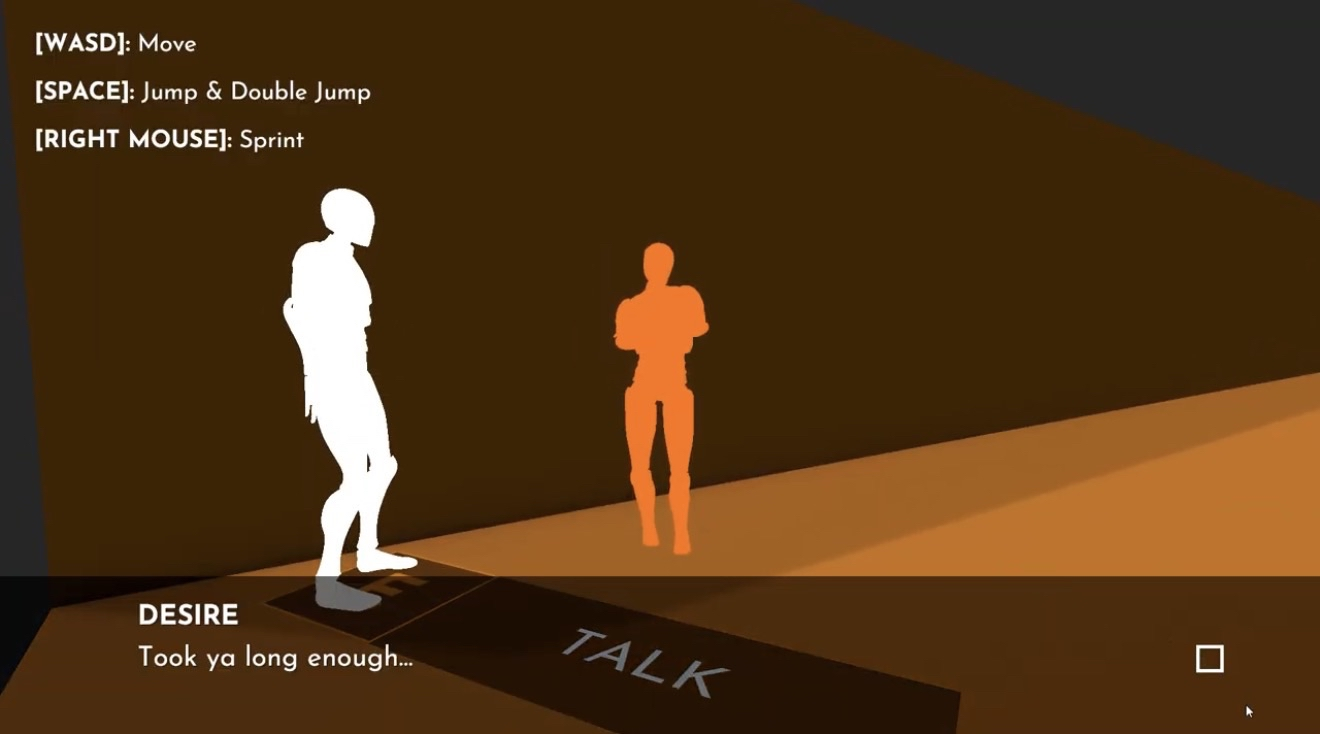
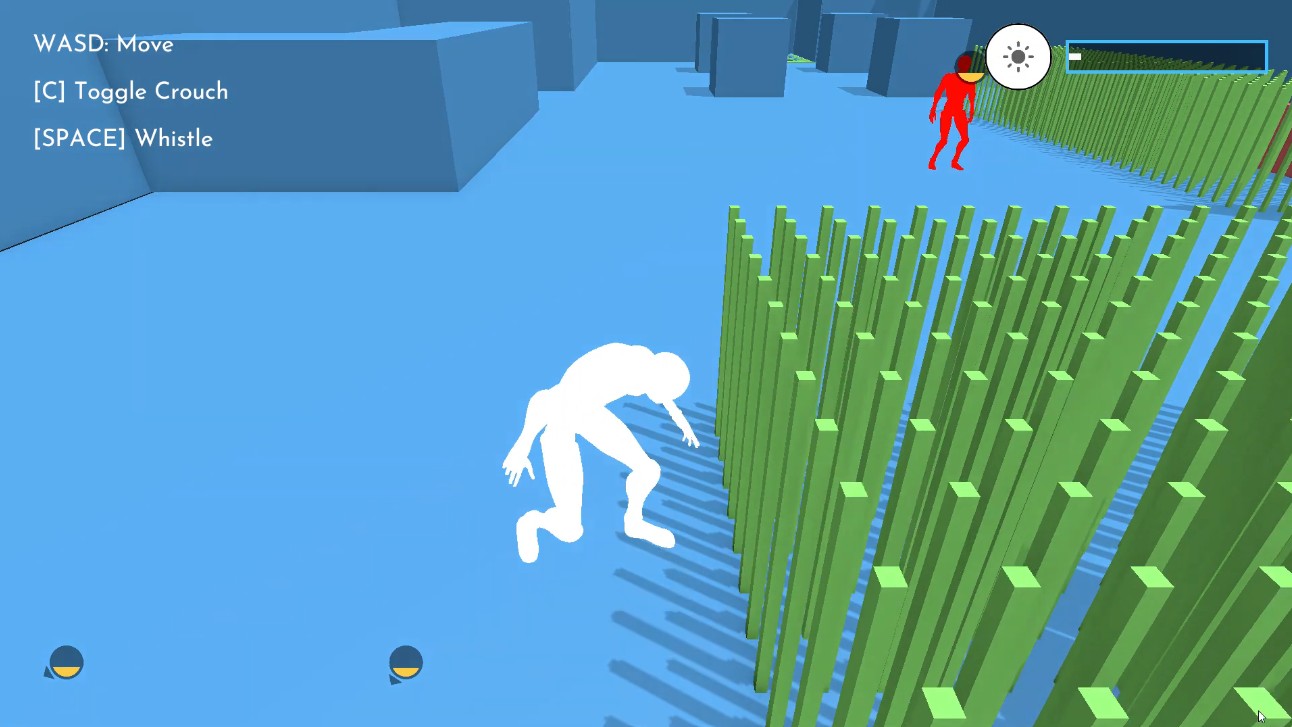
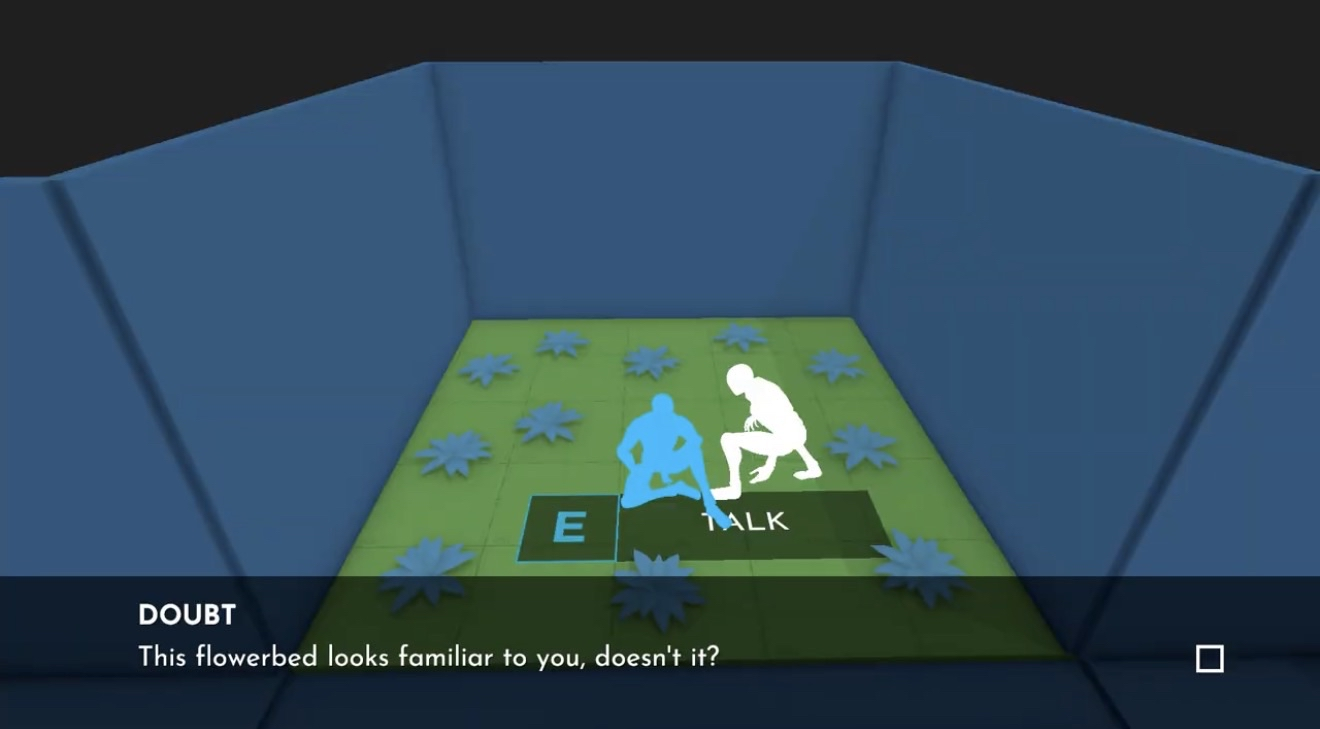
High Road is a climb through identity. Players encounter two sides of self, Desire and Doubt, and
choose routes aligned with either reflection. Completing levels rewards memory fragments that slowly assemble the
protagonist’s motivations, regrets, and meaning of the ascent.
Theme
Conflict → inward
Not “enemy vs enemy”—but ambition vs acceptance, wanting vs fearing, pushing vs pausing.
Structure
Two reflections
Desire and Doubt aren’t moral choices, they’re lenses that color the same journey differently.
Reward
Meaningful memories
Progress unlocks story fragments that make the climb feel personal and interpretable.
Design promise:
The game does not reward or punish Desire vs Doubt. Your route shapes feel, difficulty, and interpretation, not a score.
Memories & Protagonist
The protagonist begins intentionally vague. Their identity is revealed through what you choose to see.
Are they climbing to escape, to reach new heights, or to reconcile a regret? The game keeps room for projection—so the climb can mean something personal.
Memory keys
Fragmented reveals
- Each completed level grants one memory fragment.
- Desire memories lean toward ambition, “what I want most”.
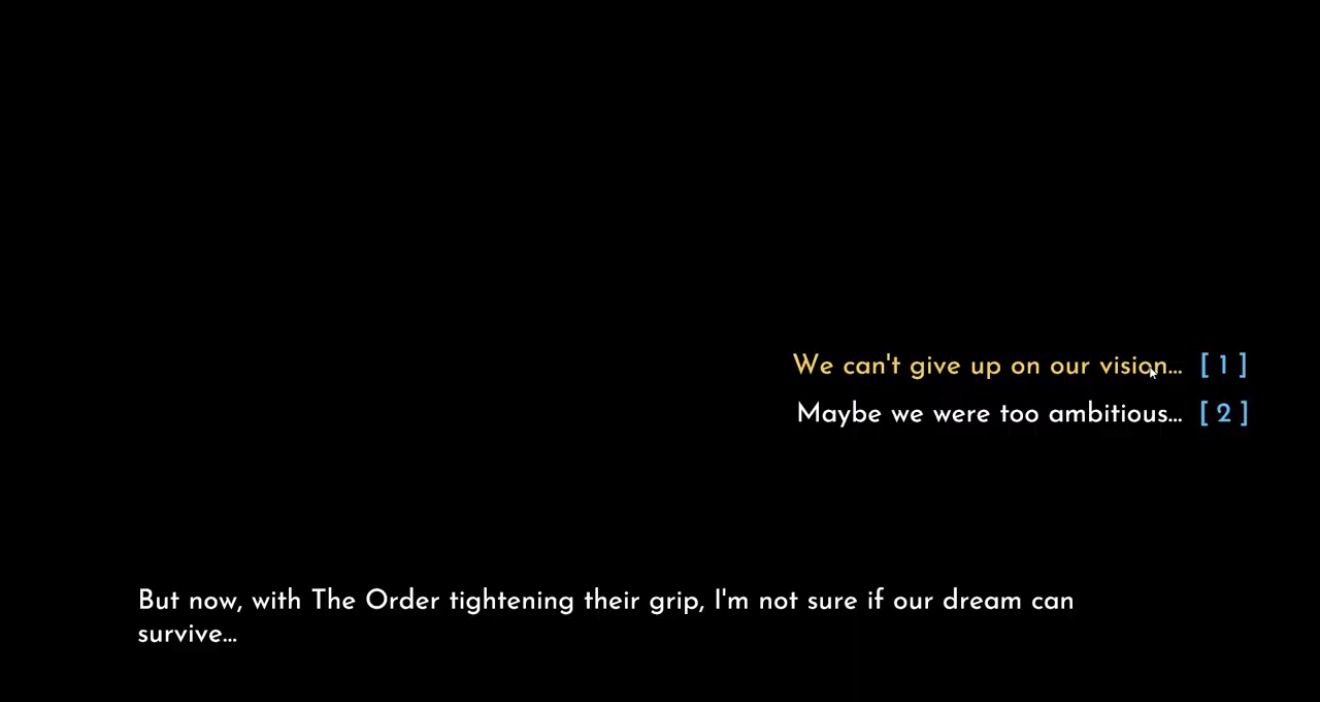
- Doubt memories lean toward acceptance, “what I’m afraid to face”.
- Assembling fragments changes how the player interprets the same climb.
Emotional impact
Symbolic landscapes
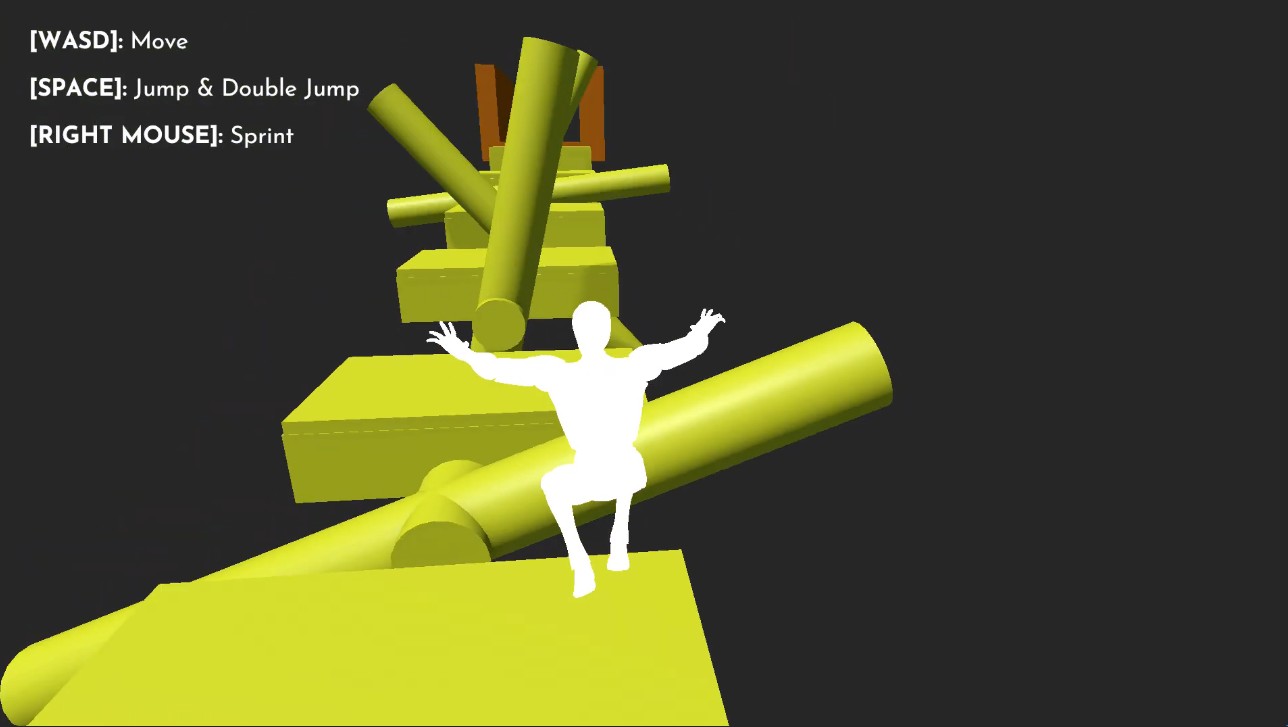
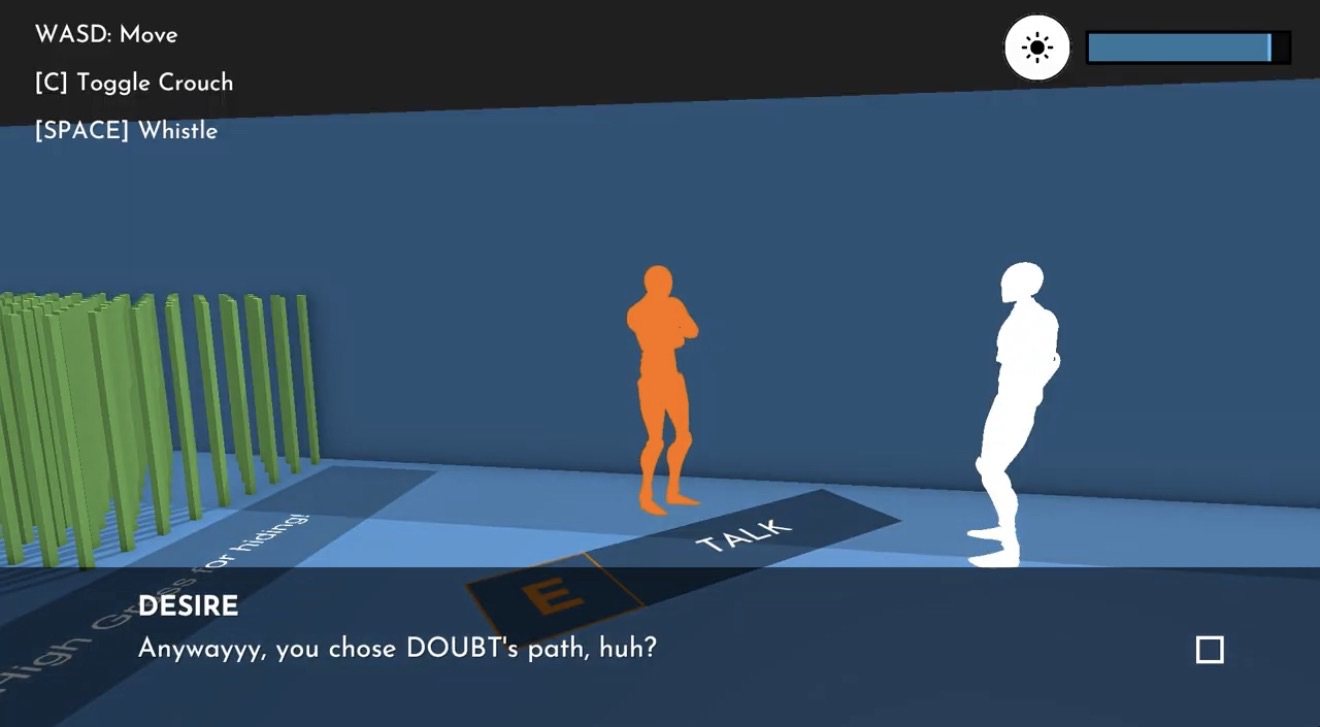
- Levels visually reinforce the tone of the chosen route.
- Challenge design mirrors internal struggle without explicit judgment.
- The ending reflects the path you lived, not a “correct” conclusion.
Essential Experience (MDA)
The goal is not just to “beat levels”, but to feel a journey of self-discovery where each step changes understanding.
“When people play games, they have an experience. It is this experience that the designer cares about. Without the experience, the game is worthless.”
— Jesse Schell, The Art of Game Design (3rd ed., 2019)
Lens
Essential experience
Freedom to choose between reflections, then reflect on what your choices reveal about the protagonist (and you).
Expression
Game as self-discovery
Choices create a personal narrative: ambition vs acceptance, shaped by the path you resonate with.
Discovery
Game as uncharted territory
Memories are the map. Each one uncovers new context and deepens connection to the climb.
What is essential?
Freedom of choice (no judgment), meaningful memories (layered, relatable), and visual distinction (routes feel emotionally different).